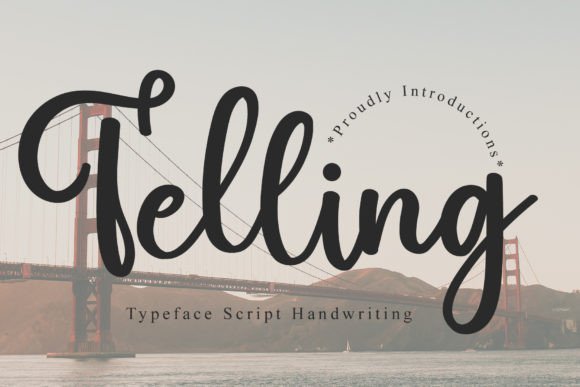
Telling: A Bold Typeface for High-Impact Design
More Than Just a Font: The Energy of Telling
When you're working on a project that needs to command immediate attention, the typeface you choose becomes your first and most powerful ally. It sets the tone before a single word is read, communicating energy, confidence, and intent in an instant. This is the precise space where Telling operates. It’s not a quiet, background player; it’s a robust display font engineered to be the focal point of your design. Its character is inherently bold and powerful, with a visual weight that feels both substantial and dynamic. The forms have a sport-inspired vigor, suggesting movement and strength, making it an ideal choice for any work that requires a vibrant, impactful touch.
The personality of Telling is unapologetically direct. It carries the authority of a classic serif font but with a modern, condensed twist that keeps it from feeling dated. The letterforms are built for presence. Think of the headlines on a sports magazine cover, the title card for an action film, or the branding for a high-performance athletic wear company. In each case, the typography needs to convey a sense of power and immediacy. Telling delivers this with its sturdy construction and assertive stance. It’s a premium font that understands its role: to make a statement and ensure that statement is heard loud and clear.
Where Telling Truly Shines: Real-World Applications
Understanding a font's personality is one thing, but knowing where to apply it is what separates good design from great design. Telling excels in environments where grabbing attention is a non-negotiable requirement. Its strengths are most evident in projects that live in the public eye and need to communicate quickly and powerfully.
Branding and Logo Design
For a brand identity that needs to project strength, reliability, and a modern edge, Telling is a formidable candidate. It works exceptionally well for logos in the fitness, automotive, outdoor adventure, and tech startup sectors. The font’s robust nature ensures the brand name remains legible and memorable across various applications, from a website header to an embroidered polo shirt. When used for a logo, it immediately establishes a tone of seriousness and capability. However, its boldness means it pairs best with simpler supporting typefaces; a clean sans serif font or a minimalist script font can provide a necessary contrast for body copy.
Editorial and Publishing
In the world of editorial design, Telling becomes a secret weapon for creating compelling visual hierarchy. Imagine the cover of a sports biography, a movie poster, or the chapter headings in a thriller novel. Telling can anchor these designs, providing a powerful title that draws the reader in. Its condensed forms are particularly useful for fitting impactful text into tight spaces, a common challenge in packaging design and magazine layouts. For a book cover, it can instantly signal the genre and the intensity of the story within.
Digital and Social Media
The digital landscape is crowded, and standing out in a social media feed requires bold choices. Telling is perfectly suited for creating high-impact social media graphics, YouTube thumbnails, and website hero sections. Its strong presence ensures that your call-to-action or key message is impossible to scroll past. When used for headlines in web design, it can guide the user's eye and create a dynamic, energetic user experience. For entrepreneurs and content creators, using a distinct typeface like Telling can be a key part of building a recognizable visual brand across platforms.
Practical Guidance for Working with Telling
Choosing a creative font like Telling is just the first step. Using it effectively requires a thoughtful approach. Here are some practical considerations for integrating this display font into your workflow.
- Evaluate the Project Fit: Ask yourself if your project’s core message aligns with the font’s personality. Is it meant to be powerful, energetic, and commanding? If you’re designing for a serene yoga studio or a delicate bakery, Telling might create a visual dissonance. For a competitive gaming league, a sports team, or a bold marketing campaign, it’s a natural fit.
- Master Font Pairing: Because Telling is so dominant, it rarely works well when paired with another strong typeface. The key is contrast. Pair it with a neutral, highly readable sans serif font for body text. A font like Open Sans, Lato, or Roboto can provide a clean, modern counterpoint that allows Telling to be the star without overwhelming the entire design. This balance is crucial for maintaining professionalism and readability.
- Consider Readability and Hierarchy: Use Telling for what it was designed for: headlines, titles, logos, and short, impactful statements. Avoid setting entire paragraphs with it, as its bold, condensed nature can reduce legibility in long-form text. Its power lies in its use as a tool for visual hierarchy, creating a clear distinction between primary and secondary information.
- Review Licensing and Styles: When you invest in a commercial font like Telling, take the time to review the licensing terms to ensure they cover your intended use, whether for a single client project or multiple commercial products. Also, explore the full font family. Many premium typefaces include various weights, such as Light, Regular, Bold, and Black, as well as italic styles. These variations give you more flexibility to create nuanced designs while maintaining a consistent typographic voice.
Ultimately, Telling is more than just a collection of letterforms; it’s a strategic design asset