Aster Font: Sweet, Friendly Handwriting for Creative Projects
Understanding Aster's Visual Personality
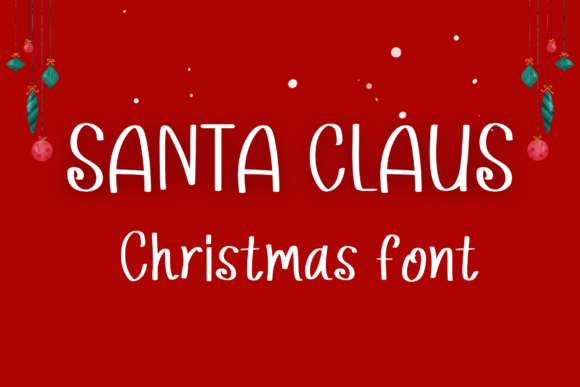
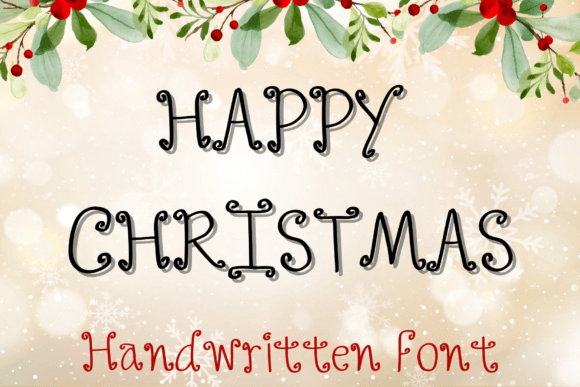
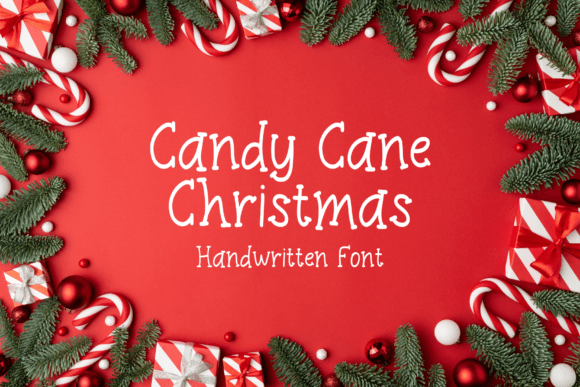
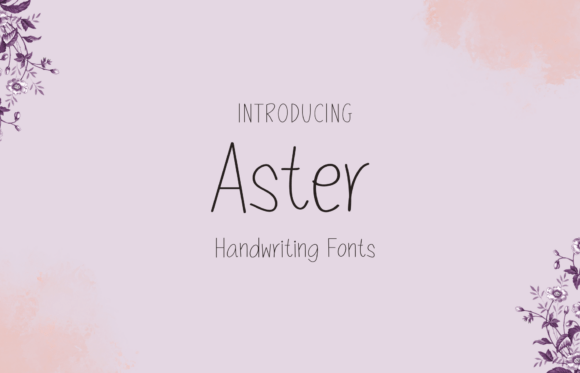
Aster is a handwritten display font that immediately communicates warmth and approachability. Its letterforms mimic natural handwriting with a sweet, slightly bouncy baseline that feels genuinely human. Unlike rigid typefaces, Aster has organic curves and subtle variations that give it a playful, fun character. The strokes are consistent enough for legibility at display sizes but maintain that charming imperfection we associate with real penmanship.
This creative font sits in a sweet spot between casual and polished. It's not trying to look like a child's scrawl, nor does it attempt formal calligraphy. Instead, Aster captures that friendly note you'd leave on a colleague's desk or the cheerful greeting on a birthday card. The overall aesthetic leans toward modern handwritten font design—clean enough for professional use while retaining genuine personality.
Where Aster Truly Shines
After working with countless display font options over the years, I've learned that context matters enormously. Aster excels in specific scenarios where its personality amplifies the message rather than competing with it.
Crafting and Personal Projects
For crafters and hobbyists, Aster feels like a natural companion. Think greeting cards, scrapbook elements, gift tags, and DIY party decorations. The font's friendly nature makes it perfect for wedding invitation suites that want to feel personal rather than stuffy. I've seen it work beautifully for save-the-dates, envelope addressing, and reception signage where couples want warmth without sacrificing readability.
Digital Design and Social Media
In social media graphics, Aster catches the eye without shouting. It works particularly well for Instagram quotes, Pinterest pins, and YouTube thumbnails where you need personality in limited space. The font pairs nicely with clean sans serif font options for body text, creating visual contrast that guides the viewer's eye naturally.
For web design, Aster serves as an accent typeface rather than a workhorse. Use it for hero section headlines, call-to-action buttons, or decorative elements where you want to inject personality. It's too distinctive for paragraph text but perfect for those moments where a site needs to feel approachable and human.
Educational and Classroom Applications
Teachers and students find Aster particularly useful. Classroom materials, bulletin board headers, worksheet titles, and student certificates all benefit from its friendly appearance. The font makes educational content feel less intimidating while maintaining enough clarity for young readers to recognize letterforms easily.
Entertainment and Creative Industries
Aster has genuine appeal for comic book style projects, casual game interfaces, and entertainment branding. It works for movie titles in comedy or family genres, love shirt designs, and posters promoting lighthearted events. The font's personality aligns well with anything that needs to feel fun, youthful, or approachable.
Brand Identity Considerations
Choosing a premium font like Aster for brand identity requires careful consideration. It suits businesses targeting families, children's products, bakeries, florists, boutique shops, and lifestyle brands. However, it would feel out of place for law firms, financial institutions, or luxury brands seeking gravitas.
The font communicates specific values: warmth, accessibility, creativity, and personal touch. If your brand needs to project authority or sophistication, Aster probably isn't your primary typeface. But as a secondary or accent font, it can soften a brand's overall impression without undermining credibility.
Font Pairing Strategies
Aster works best when paired thoughtfully. For editorial design or packaging design, try combining it with a clean geometric sans serif font like Montserrat or Poppins. The contrast between Aster's organic curves and the geometric precision creates visual interest while maintaining readability.
Avoid pairing Aster with other decorative or script fonts—the result typically feels cluttered and confusing. Instead, let it be the personality piece while supporting typefaces handle information delivery. This approach mirrors how experienced designers use modern typography hierarchies effectively.
Readability and Practical Testing
Always test Aster at your intended display sizes before committing. As a display font, it performs beautifully at larger sizes but becomes challenging to read below 18-20 pixels. For logo design applications, ensure the letterforms remain clear when scaled down to favicon size or social media profile images.
Consider your audience's context too. Will they view your design on mobile screens? In printed materials at arm's length? On large format displays? Each scenario demands different testing approaches. Print a physical proof for anything destined for paper, and check digital designs across multiple devices and screen resolutions.
Licensing and Commercial Use
Before using Aster commercially, verify the licensing terms carefully. Many commercial font licenses have specific restrictions regarding usage across different media, number of installations, and derivative works. If you're creating design assets for resale, confirm the license permits embedding or distribution.
Keep records of your font purchases and licenses. This practice protects you legally and simplifies client handoffs when sharing project files. Professional designers maintain font license documentation as standard operating procedure—it's boring but essential.
Evaluating Project Fit
Ask yourself specific questions before selecting Aster. Does your project benefit from a handwritten aesthetic? Will the font's personality enhance or distract from your message? Can you maintain visual consistency across all applications? Does it align with your audience's expectations and preferences?
Sometimes the best typeface choice is the one that disappears into the overall design rather than demanding attention. Aster has a distinct voice, so ensure that voice harmonizes with your project's goals rather than singing over them. When the fit is right, this font genuinely elevates the work—it just requires thoughtful application to reach that potential.
Ultimately, Aster represents one tool in a broader creative toolkit. Used strategically, it brings authentic warmth and personality that generic fonts simply cannot replicate. The key lies in understanding its strengths, respecting its limitations, and applying it where its natural charm genuinely serves the project at hand.