Jawhead: A Pixel Font for Modern Retro Design
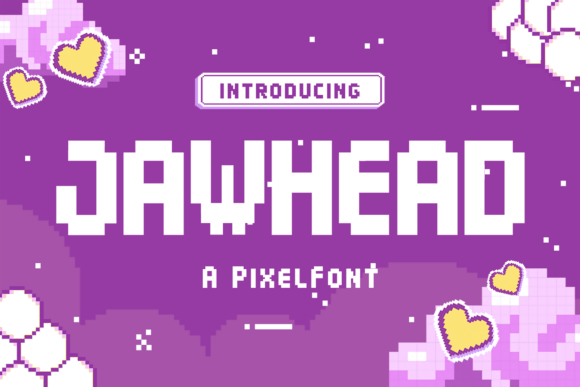
You know the feeling. It’s the crisp, unmistakable snap of a pixel-perfect jump, the satisfying blip of a collected coin, the bold, blocky title screen that promised an adventure. That specific visual language of the 8-bit and 16-bit era carries a powerful emotional weight, a direct line to nostalgia, fun, and straightforward challenge. Capturing that feeling in a contemporary design project requires more than just a random grid font; it demands a typeface built with the same intention and clarity as those classic games. Enter Jawhead, a bold pixel display font that channels the authentic arcade aesthetic with a clean, modern grid structure.
Understanding the Jawhead Typeface: More Than Just Pixels
At its core, Jawhead is a display font, meaning it’s engineered for impact at larger sizes, not for setting long paragraphs of body text. Its personality is immediate: bold, confident, and unapologetically retro. Each character is meticulously crafted on a pixel grid, avoiding the jagged, uneven edges that can plague lesser pixel fonts. This clean construction ensures that whether you’re scaling it up for a poster or down for a UI element, the letterforms remain sharp and legible. The style is a direct homage to classic arcade cabinets and early console game typography, but it’s refined for today’s high-resolution screens and print demands.
The appeal of a font like Jawhead lies in its specificity. It doesn’t try to be everything. Instead, it excels at delivering a potent dose of visual nostalgia. It’s a creative font that instantly communicates a particular mood—playful, energetic, and a bit geeky. This makes it a powerful tool in a designer’s arsenal, especially when a project needs to stand out from the sea of sleek sans-serifs and elegant serifs. It’s a typeface with a clear point of view, which is invaluable for establishing a strong brand identity.
Where Jawhead Truly Shines: Practical Applications
The real test of any premium font is its versatility within its intended niche. Jawhead’s strength is its focus, but that focus opens up a wide range of practical applications where it can elevate a project from good to memorable.
Gaming and Digital Interfaces: This is its home turf. For indie game developers, Jawhead is perfect for in-game titles, menu screens, HUD elements, and dialogue boxes. It maintains that authentic retro feel while ensuring text is clear enough for gameplay. It’s also excellent for gaming websites, YouTube channel banners, and stream overlays, instantly signaling the content’s focus.
Branding and Marketing: Think beyond the screen. Jawhead can be a cornerstone for brands targeting a demographic that grew up with Nintendo and Atari. It works brilliantly for:
- Logo Design: Creating a logotype for a retro-themed café, an arcade bar, a tech repair shop with a nostalgic twist, or a creative agency.
- Packaging Design: Adding a fun, tactile feel to product packaging for snacks, beverages, or specialty goods aiming for a playful, youthful audience.
- Event Posters and Flyers: Promoting gaming tournaments, retro movie nights, or themed parties with immediate visual impact.
Editorial and Social Media: In a crowded social feed, a distinctive headline font can stop the scroll. Use Jawhead for striking headers in digital magazines, blog post titles (especially for tech, gaming, or pop culture blogs), and bold text overlays in social media graphics. It’s also surprisingly effective for certain types of merchandise design, like t-shirts and stickers, where a short, punchy phrase needs maximum impact.
Making Jawhead Work: A Designer's Practical Guide
Adopting a stylistic font like Jawhead requires a thoughtful approach to ensure it enhances rather than overwhelms your project. Here’s how to integrate it effectively.
Evaluating Fit and Readability
First, be honest about your project’s needs. Is the primary goal to evoke nostalgia, playfulness, and energy? If yes, Jawhead is a strong candidate. If the project demands sophistication, minimalism, or long-form readability, it’s likely not the right choice. Always test the font at the intended size and context. Its readability is excellent for short bursts of text—titles, headers, buttons, and logos—but it will fatigue the eye in a paragraph. This is a common characteristic of many display fonts and isn’t a flaw, just a design consideration.
Mastering Font Pairing
The key to using a bold, personality-driven font like Jawhead is balance. Pair it with a clean, neutral companion for body text to create a clear visual hierarchy. A simple sans serif font (like Open Sans, Lato, or Roboto) is often the perfect partner, providing excellent readability without competing for attention. For a more layered look, you could pair it with a geometric sans-serif or even a very clean serif font for a contrasting style. Avoid pairing it with other highly decorative fonts like a script font or another bold display font, as this will create visual chaos.
Leveraging Included Styles and Ligatures
A quality commercial font often includes more than just basic letters. Check what Jawhead offers. Many premium pixel fonts include stylistic alternates, different weight variations, and stylized ligatures. These ligatures—custom character combinations for letter pairs like "fi" or "st"—can add an extra layer of authenticity and visual flair, preventing your text from looking too static. Experiment with these features in your logo or headline design to find unique combinations.
Licensing and Commercial Use
Before finalizing any project, especially for commercial use, verify the font’s licensing. A reputable premium font like Jawhead will have a clear license that outlines permitted uses—desktop, web, app, and merchandise. This is a critical step for businesses, entrepreneurs, and creators to ensure legal compliance and support the font’s continued development. Investing in a properly licensed font is part of building a professional and ethical design asset library.
Ultimately, Jawhead is more than just a collection of pixels. It’s a modern typography