Chat Box: The Creative Font for Modern Projects
Finding the right typeface for a project is often about capturing a specific mood. You need a font that conveys warmth, approachability, and a bit of personality without overwhelming your core message. That’s where Chat Box comes in. As a dingbats font, it offers something different: a collection of charming, simple, and cute pictorial elements. It’s not a traditional serif font or a clean sans serif font. Instead, it’s a versatile creative asset designed to add a unique visual language to your work.
Understanding the Personality of Chat Box
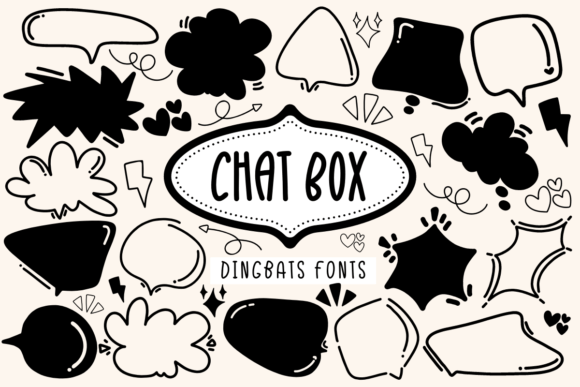
At its heart, Chat Box is a visual storyteller. Its characters are not letters and numbers but a curated set of icons and symbols. Think of speech bubbles, expressive faces, arrows, hearts, stars, and other simple doodles. The style is intentionally minimal and clean, which is its greatest strength. This simplicity makes it incredibly adaptable. It doesn’t fight for attention with your main text; instead, it complements it, adding visual interest and breaking up dense content in a friendly way.
The overall appeal lies in its approachability. In a world of polished, sometimes sterile, modern typography, Chat Box brings a human touch. It feels handcrafted yet consistent, playful but not childish. This balance makes it a fantastic display font alternative for elements that need to stand out with charm rather than sheer boldness. For designers and creators, it’s less about the font itself and more about the library of design assets it provides, all within a single, easy-to-use file.
Where Chat Box Truly Shines: Practical Applications
The versatility of Chat Box is where its value becomes clear. It’s a tool that can elevate a wide array of projects across different mediums. Let’s look at where this font works best.
In editorial design and publishing, Chat Box is a game-changer. Imagine using it in a children’s storybook to create recurring visual motifs, or in a cookbook to denote different recipe categories. Bloggers can use it as custom icons for their listicles or to highlight key takeaways, making their content more scannable and engaging. For publishers, it can add a distinctive flair to chapter headings or section breaks in a book, contributing to a cohesive brand identity.
For branding and marketing, the applications are just as rich. A small business owner could use Chat Box symbols in their logo design to inject personality, or more practically, throughout their packaging design to create delightful unboxing experiences. On social media graphics, these dingbats can create eye-catching post templates, story highlights, and animated content that feels unique and on-brand. It’s a premium font that helps build visual recognition without the cost of commissioning custom illustrations.
Even in web design and digital products, Chat Box has a place. It can be used to create custom bullet points, loading animations, or interactive elements in a UI that feel more human than standard geometric shapes. For crafters and those working on DIY project products, the font is a literal toolkit. You can print out the symbols to use in scrapbooking, card making, or as stencils for physical products, turning a digital asset into a tangible centerpiece.
Integrating Chat Box Into Your Design Workflow
Adopting a new creative font like Chat Box requires some practical consideration to ensure it enhances, rather than clutters, your work. The first step is always to evaluate the project fit. Does your brand or project voice call for a friendly, conversational, and slightly whimsical tone? If you’re designing for a corporate law firm, Chat Box might not be the right choice. But for a local bakery, a creative agency, a children’s apparel brand, or a lifestyle blog, it could be perfect.
Next, consider font pairing. Because Chat Box is a dingbats font, it doesn’t replace your primary text typeface. It works alongside it. Pair it with a clean, readable sans serif font for body text to maintain professionalism and clarity. For headings, you could use a bold sans serif or even a complementary handwritten font or script font to amplify the personal feel. The key is contrast and hierarchy: let Chat Box handle the decorative, illustrative role while your other fonts handle the legible communication.
Before fully committing, take time to explore the font’s full character map. A good commercial font will come with a comprehensive set of symbols. Review what’s included—does it have the specific icons you need? Test the symbols at various sizes to check for clarity and scalability. While they are designed as display elements, they should still be recognizable when used as small icons on a mobile screen or as large features on a poster.
Finally, always verify the licensing. Most premium fonts, including Chat Box, come with a clear commercial license that allows you to use the symbols in projects for clients and for sale, but it’s your responsibility to read and understand the terms. This ensures your use is compliant and protects both you and the font creator.
In essence, Chat Box is more than just a novelty. It’s a practical, creative font that serves as a versatile design asset. It empowers you to add a layer of personality, improve visual hierarchy, and create a more consistent and recognizable brand identity across all your creative endeavors. Whether you’re a marketer crafting a social media campaign, a publisher designing an engaging book, or an entrepreneur building a beloved brand, it offers a simple and charming way to make your work stand out.