Tree House Font: Capturing Organic Charm in Your Designs
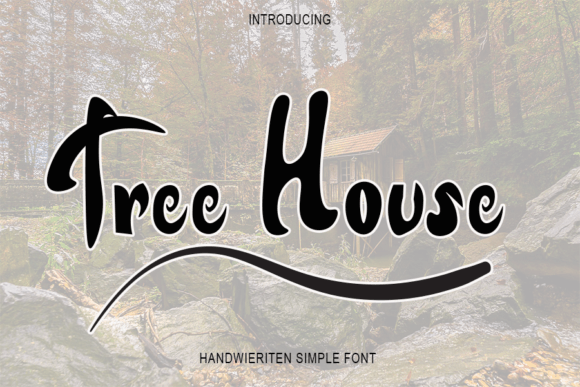
In the vast sea of digital typography, finding a font that feels genuinely human can be a challenge. We are constantly surrounded by geometric precision and rigid vectors, which is why the Tree House typeface stands out as a breath of fresh air. It is a handwritten simple font, but to label it merely as "simple" undersells its character. Created with a random and freestyle methodology, Tree House captures the essence of spontaneous creativity. It doesn’t look like a font trying to mimic handwriting; it looks like actual handwriting that has been digitized without losing its soul. This distinction is vital for designers looking to inject warmth and authenticity into their work.
The visual personality of Tree House is defined by its lack of rigid uniformity. Unlike formal serif font or sans serif font families that rely on strict grid systems, Tree House embraces the irregularities of the human hand. The strokes have a natural variance in thickness that mimics the pressure of a pen or marker. This creates a textured, organic feel that is difficult to achieve with standard modern typography. For the creative professional, this means you aren't just installing a typeface; you are adopting a tool that brings a distinct, casual vibe to any layout. It feels approachable, friendly, and unpretentious, making it an excellent choice for projects that need to bridge the gap between professional polish and personal touch.
Strategic Applications: Where Tree House Thrives
Understanding where a premium font like Tree House fits into your workflow is key to maximizing its potential. Because it is a display font, it is designed to be seen, not just read. Its structural integrity holds up best at larger sizes, making it a powerhouse for specific applications across various industries.
Branding and Corporate Identity
For startups and small businesses, particularly in the lifestyle, wellness, or artisanal sectors, Tree House can be the cornerstone of a brand identity. It works exceptionally well for logo design, especially for brands that want to signal that they are handmade, eco-friendly, or community-focused. Imagine a local coffee roaster, a boutique skincare line, or a children’s educational platform; the freestyle nature of Tree House communicates a lack of corporate stuffiness. However, brand strategists should be mindful of the industry. While it is perfect for a yoga studio, it might lack the gravity required for a law firm or a financial institution. The font tells a story of approachability, so ensure that aligns with your brand values.
Packaging and Editorial Design
In packaging design, shelf appeal is everything. Tree House offers a handwritten aesthetic that can make a product feel curated and personal. It pairs beautifully with clean, neutral backgrounds, allowing the typography to pop without overwhelming the label. Similarly, in editorial design, such as magazine headlines or book covers, it can serve as a striking juxtaposition against clean body text. It brings a level of energy to a layout that standard script font families often miss because it feels less formal and more contemporary.
The Digital and Entertainment Landscape
As we move into the digital realm, the utility of Tree House expands significantly. The font possesses a rhythmic quality that makes it ideal for the entertainment industry. For movie posters, music album covers, and game interfaces, particularly those with adventure, indie, or nature themes, this typeface adds an immersive layer. It feels like part of the world being built, rather than just text slapped on top of an image.
Furthermore, the explosion of content creation has created a high demand for relatable typography. YouTube thumbnails, Instagram stories, and social media graphics require fonts that grab attention instantly while maintaining a conversational tone. Tree House excels here. Its freestyle nature cuts through the noise of the feed, making it an excellent tool for influencers and content creators who want to build a recognizable visual language. It is also a fantastic asset for web design headers, provided the background is clean enough to ensure the "random" strokes remain legible on various screen resolutions.
Practical Integration: Making Tree House Work for You
Adopting a new typeface into your toolkit requires more than just installation; it requires strategy. To get the most out of Tree House, you need to consider how it interacts with other design assets and how it impacts the user experience.
Mastering Font Pairing
One of the most common mistakes with handwritten font styles is pairing them with the wrong partner. Because Tree House is energetic and irregular, it needs a grounding element. A heavy, bold serif might fight for attention, creating visual clutter. Instead, look for a clean, geometric sans serif font with generous spacing (tracking). The neutrality of the sans serif will allow the personality of Tree House to shine without the layout looking chaotic. This contrast is the foundation of good modern typography—balancing the expressive with the functional.
Readability and Hierarchy
While Tree House is a creative font, readability should always be the priority. It is not designed for long-form body copy; using it for paragraphs will tire the reader's eye. Instead, use it to establish visual hierarchy. Use Tree House for the H1, the pull quotes, or the call-to-action buttons. Let the font guide the reader's eye to the most important information. By reserving it for key moments, you increase its impact and maintain the professionalism of the overall design.
Licensing and Commercial Use
For entrepreneurs and designers, the legal aspect of typography is just as important as the aesthetic. When acquiring Tree House, verify the scope of the commercial font license. Most premium font licenses cover standard usage like logos and websites, but if you plan to use it for mass-produced merchandise (apparel, mugs, etc.), you may need an extended license. Always check the terms to ensure your brand identity is legally protected. This due diligence separates the hobbyist from the professional and ensures your creative projects can scale without legal hiccups.
Conclusion: The Human Element in a Digital World
Ultimately, the strength of Tree House lies in its ability to humanize a design. In an era of AI-generated perfection and algorithmic precision, there is a growing hunger for designs that feel handcrafted. Whether you are a small business owner creating your first logo, a publisher designing a compelling cover, or a marketer crafting a social media campaign, Tree House offers a versatile solution. It bridges the gap between the casual and the professional, providing a freestyle aesthetic that resonates with modern audiences. By integrating this font thoughtfully, you aren't just choosing a style; you are choosing to communicate with authenticity.