Why Happy Christmas is the Friendly Handwritten Font Your Projects Need
Finding a typeface that balances genuine warmth with professional utility can be a challenge. Many handwritten fonts lean too far into childish scrawl or overly formal calligraphy. Happy Christmas strikes a different chord. It’s a premium font that feels like it was written by a friend—someone with neat, legible, and joyful handwriting. This isn't just another script font; it's a design asset built for clarity and charm, making it a surprisingly versatile tool for a wide range of creators.
The Visual Personality: More Than Just a Pretty Face
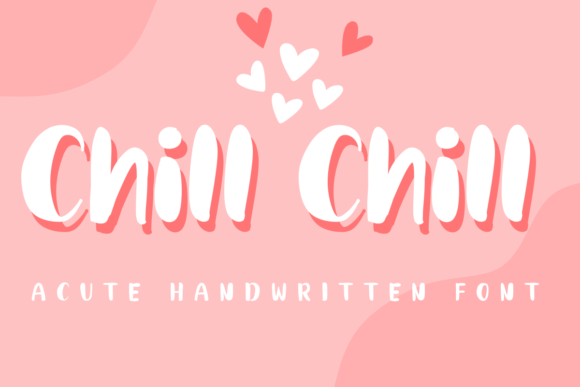
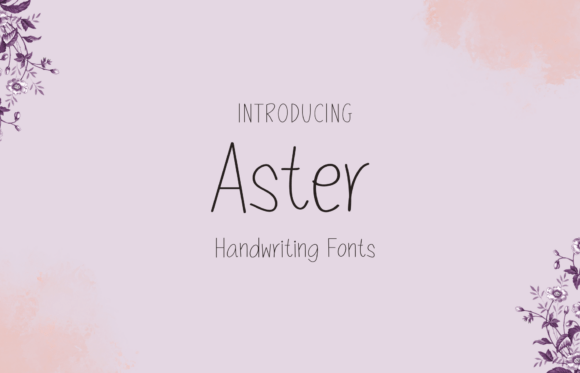
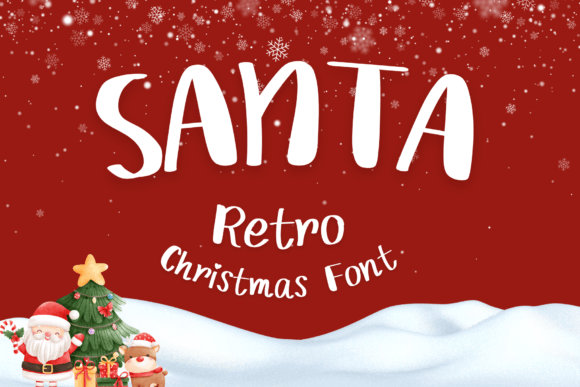
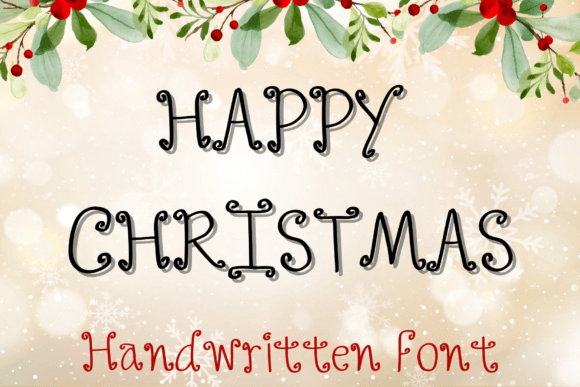
At its core, Happy Christmas is a display font with the soul of a friendly handwritten font. Its letterforms are consistent and well-spaced, avoiding the chaotic look some script typefaces suffer from. The characters connect smoothly, creating a natural flow that mimics real handwriting. You’ll notice subtle variations in stroke width that add authenticity without sacrificing legibility. This careful balance is what defines its visual personality: approachable, authentic, and inherently positive.
Unlike a stark sans serif font or a traditional serif font, Happy Christmas brings an immediate human element. It’s the typographic equivalent of a warm smile or a handwritten note. This makes it exceptionally effective for projects where building a personal connection with the audience is key. Think of the difference between a generic corporate memo and a personalized thank-you card—the font carries that same shift in tone.
Practical Applications: Where Happy Christmas Truly Shines
The real value of a creative font like Happy Christmas lies in its application. It’s not a one-trick pony reserved for holiday projects. Its friendly demeanor makes it a strong candidate for a variety of design contexts.
In brand identity, it can soften a company's image. A bakery, a boutique consultancy, a children's educational service, or a lifestyle blogger can use Happy Christmas for logos, taglines, and marketing materials to project an approachable and trustworthy vibe. It signals that there are real people behind the brand. For packaging design, particularly for artisanal goods, gourmet foods, or handmade crafts, this font adds a layer of perceived care and quality.
For editorial design and publishing, it works wonderfully for pull quotes, chapter headings, or subheadings in magazines and blogs. It draws the reader's eye without the rigidity of a standard headline font. In the digital realm, it’s excellent for social media graphics, website banners, and email newsletter headers. Its friendly appearance can boost engagement by making content feel less formal and more conversational.
Of course, it excels in personal projects. Designing a wedding invitation, a birthday card, or a custom planner? Happy Christmas provides that handcrafted, intimate feel that mass-produced templates often lack. It’s also a fantastic choice for web design accents, like call-to-action buttons or testimonial sections, where you want to add a touch of personality.
Making it Work: Pairing, Readability, and Licensing
Adopting any new typeface into your toolkit requires a bit of strategy. The first step is evaluating project fit. Happy Christmas is a display font, meaning it’s designed for impact at larger sizes. It’s perfect for headlines, logos, and short bursts of text. Using it for long paragraphs of body copy would likely hinder readability. For body text, pair it with a clean, neutral sans serif font or a highly legible serif font. This contrast creates a clear visual hierarchy, letting the handwritten style command attention where it matters most.
Testing font pairings is crucial. Set a headline in Happy Christmas and try it alongside popular workhorse fonts like Open Sans, Lato, or Merriweather. The goal is balance—the handwritten font should complement, not compete with, the supporting text. Review the font’s full character set; a quality premium font often includes multiple stylistic sets, alternates, or ligatures that can add further customization to your designs.
Always consider the context. A children’s party invitation can embrace its full playful potential. A law firm’s website, however, might use it sparingly—if at all—for a very specific, informal blog post. For any commercial use, verify the licensing. A reputable commercial font will have clear licensing terms for different uses, from a single small business to a large enterprise or an app. Ensuring compliance is a non-negotiable part of professional design work.
A Tool for Connection
Ultimately, Happy Christmas is more than just a collection of glyphs. It’s a tool for fostering connection. In a digital landscape saturated with sleek, impersonal modern typography, a well-executed handwritten font can be a breath of fresh air. It helps brands sound more human, makes personal projects feel more special, and adds a layer of warmth to logo design and packaging design that can be difficult to achieve otherwise.
Its strength lies in its specific, friendly personality. It won’t work for every project, but where it does fit, it can significantly enhance the emotional resonance of your work. By understanding its visual character, testing its applications thoughtfully, and pairing it wisely, you can leverage this creative font to create designs that don’t just look good—they feel genuinely inviting.