Ho Ho Ho: Injecting Playful Energy Into Your Creative Projects
When you are sifting through a library of design assets, searching for a typeface that feels genuinely human, you often find yourself wading through a sea of rigid geometrics and sterile serifs. Sometimes, a project calls for something louder, something that brings a smile to the viewer's face before they even read the text. That is where Ho Ho Ho enters the conversation. It is not just another display font; it is a statement piece. As a sweet and friendly handwritten font, it captures a sense of whimsy that polished, corporate typefaces simply cannot replicate. If you are working on a project that demands a personal touch—whether it is a wedding invitation or a social media campaign—understanding how to wield this specific style of creative font can be the difference between a generic layout and a memorable design.
The Visual Personality of a Handwritten Typeface
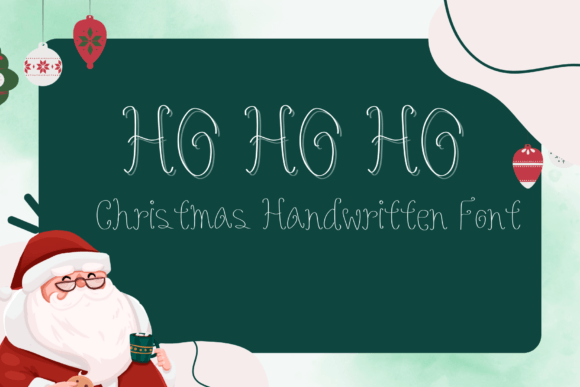
At its core, Ho Ho Ho is defined by its fluidity and approachability. Unlike standard script fonts that can sometimes feel too formal or cursive-heavy, this typeface leans into a cute and fun aesthetic. It mimics the natural inconsistencies of hand-lettering, offering a rhythm that feels organic rather than mechanical. This is crucial for modern typography, where audiences crave authenticity. When you use a premium font like this, you are signaling to your audience that there is a human being behind the design, not just a template.
The appeal lies in its versatility. It works exceptionally well in contexts where you need to break down barriers. For instance, in editorial design, using a heavy serif font for a headline can feel authoritative, but using Ho Ho Ho for a subheader or pull quote can soften the page and add a layer of personality. It is the kind of typeface that bridges the gap between professional content and personal connection. It does not scream "corporate"; it whispers "come on in." This makes it an invaluable asset for content creators who want to build a rapport with their readers immediately.
Strategic Applications: From Brand Identity to Packaging
Choosing the right font is less about what looks "cool" and more about what communicates the right message. Ho Ho Ho thrives in environments that celebrate joy, creativity, and informality. If you are a small business owner looking to refine your brand identity, this font could be the missing link for specific touchpoints. Imagine a bakery or a craft store; their packaging design needs to evoke warmth. A handwritten font achieves this instantly. It turns a simple label into a personal note from the maker.
For those in the digital space, the applications are just as potent. Web design often suffers from being too clinical. While you wouldn't use a display font like this for body copy—readability on screens requires more stability—using it for hero images, blog post titles, or call-to-action buttons can drastically improve user engagement. It draws the eye and breaks the monotony of standard sans serif font pairings.
Consider these specific scenarios where Ho Ho Ho shines:
- Logo Design: For brands targeting a younger demographic or those in the lifestyle and hobby sectors, this typeface offers a distinct mark that is easy to remember.
- Social Media Graphics: In a fast-scrolling feed, a handwritten font creates a stopping power. It feels native to the platform, mimicking the casual nature of user-generated content while maintaining design integrity.
- Merchandise: Think about "love shirts," tote bags, or posters. These items rely on bold, expressive typography. The fun touch of this font translates perfectly to print on demand.
- Gaming and Comics: The comic book style often utilizes bold, expressive lettering. Ho Ho Ho fits perfectly into game online interfaces or indie comic headers where the tone is adventurous or humorous.
Practical Guidance for Designers and Entrepreneurs
As a designer or publisher, your job is to solve problems, and typography is one of your primary tools. However, using a creative font like Ho Ho Ho requires a bit of strategy to ensure it elevates rather than clutters your work. Here is how to approach it from a professional standpoint.
Evaluating Project Fit
Before you drop this font into your next project, ask yourself about the tone. Is the content serious? If you are writing a medical report or a financial whitepaper, a handwritten font is inappropriate and damages credibility. However, if you are designing a school newsletter, a party invitation, or marketing materials for a creative workshop, Ho Ho Ho is ideal. It resonates particularly well with teachers and students who need materials to feel accessible and engaging.
Mastering Font Pairing
A display font rarely works in isolation. One of the most common mistakes in design is using two highly decorative fonts that fight for attention. To maintain a visual hierarchy, pair Ho Ho Ho with something grounded. A clean, geometric sans serif font works beautifully as a companion. Use the handwritten font for the headline to inject energy, then switch to the sans serif for the body text to ensure readability. This contrast creates a dynamic layout that guides the reader's eye naturally from the expressive header to the informative content below.
Readability and Testing
Always test your typography at the size it will be viewed. Handwritten fonts can become difficult to read at very small sizes because the letterforms are often more complex than standard print typefaces. Ho Ho Ho is best used at medium to large scales. Use it for posters, movie titles, or headers where the characters have room to breathe. When used correctly, it enhances audience engagement because the viewer enjoys the visual experience of reading the text.
Commercial Licensing and Assets
Finally, as a professional, you must respect the craft. Ensure that you have the correct commercial font license for your project. If you are using Ho Ho Ho for a client's logo or a product you intend to sell, verify that the license covers commercial use. Treating typography as a professional asset rather than a free-for-all resource protects your business and supports the type designers who create these tools.
In the end, Ho Ho Ho is more than just a collection of glyphs; it is a design asset that brings humanity to your work. Whether you are a crafter working on wedding stationery or a marketer designing a campaign, it offers a way to communicate with warmth and personality. By applying it thoughtfully, you can transform a standard layout into something that truly connects with people.