Handletters: The Authentic Script for Bold Branding
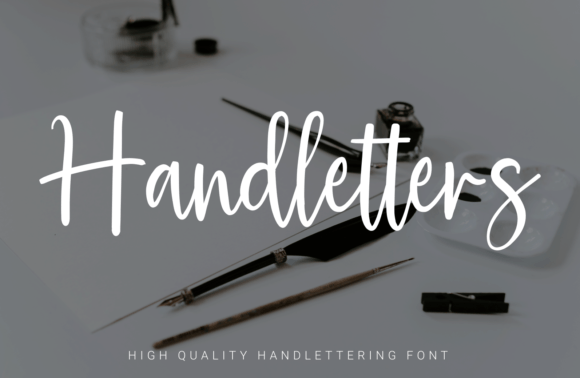
In the crowded landscape of modern typography, finding a typeface that feels genuinely human can be a challenge. We are constantly bombarded with hyper-polished, geometric sans serif fonts that, while functional, often lack warmth. This is where Handletters enters the conversation. It is not just another script font; it is a declaration of authenticity. Described as a classic and simple handwritten script, Handletters brings a freestyle, random aesthetic to your work that feels less like a digital rendering and more like a note passed between friends. It captures the essence of the "imperfect perfect," offering a raw, organic texture that rigid digital fonts simply cannot replicate.
For designers, entrepreneurs, and content creators, the visual weight of your typography dictates how your audience perceives your message. A font like Handletters acts as a visual shortcut to personality. When a viewer sees this typeface on a logo or a social media post, they immediately understand that the brand values individuality and creativity. It serves as a bridge between professional design and personal touch, making it an invaluable asset for anyone looking to humanize their digital or print presence.
The Visual Language of Freestyle Design
Understanding the anatomy of Handletters is key to using it effectively. Unlike traditional calligraphy fonts that adhere to strict stroke rules, this typeface embraces the "random and freestyle" approach. You will notice slight variations in baseline alignment and letter connections, which is exactly what gives it its charm. It avoids the mechanical repetition that makes many digital fonts feel sterile. This organic irregularity makes it a premium font choice for projects that need to convey energy, movement, and spontaneity.
The visual characteristics of Handletters lean towards a casual elegance. It is legible enough to be functional but stylistic enough to be a statement piece. In the hierarchy of a design layout, this font naturally gravitates toward the top. It demands attention as a headline font or a logotype, rather than receding into the background as body copy. The strokes have a natural rhythm that guides the eye, creating a sense of flow that static serif fonts or geometric sans serif fonts often lack.
Strategic Applications: From Logos to Packaging
Knowing when to deploy a creative font like Handletters is just as important as the design itself. Its utility spans across a massive variety of industries and mediums. For the apparel industry, this font is a natural fit. It mimics the look of hand-painted graphics on t-shirts or tote bags, giving merchandise a boutique, artisanal feel. Similarly, in packaging design, using Handletters can signal to the consumer that a product is small-batch, handcrafted, or made with care.
For those in the digital space, the applications are equally robust. YouTube thumbnails and Instagram graphics rely heavily on stopping power. A bold, handwritten headline using Handletters can cut through the noise of a busy feed far more effectively than a standard corporate typeface. It works beautifully for:
- Music and Entertainment: Album covers, gig posters, and movie titles often require a gritty, emotional, or youthful vibe that Handletters provides effortlessly.
- Publishing: Book covers, particularly in the young adult, romance, or indie comic genres, benefit from the personal touch of a handwritten font.
- Corporate Identity: While not suited for a bank or law firm, it is perfect for creative agencies, boutique studios, and lifestyle brands looking to build a distinct brand identity.
Mastering Font Pairings and Hierarchy
A display font is rarely used in isolation. To create a professional layout, you must master the art of font pairing. Because Handletters is expressive and textured, it requires a grounding partner. The general rule of thumb in modern typography is to contrast styles. If your headline is a busy, freestyle script, your body text should be clean and highly legible.
Consider pairing Handletters with a neutral sans serif font for your subheadings and body copy. Fonts like Montserrat, Open Sans, or Lato provide the perfect visual counterbalance. They are quiet, allowing the handwritten font to sing without competing for attention. Alternatively, pairing it with a sturdy, old-style serif font can create a "classic meets modern" aesthetic that feels sophisticated yet approachable. Avoid pairing it with other decorative or overly stylistic fonts, as this will create visual clutter and destroy readability.
Technical Utility: The Power of PUA Encoding
For the practical designer, technical specifications matter as much as aesthetics. One of the standout features of Handletters is that it is PUA encoded (Private Use Areas). If you have ever struggled to access special characters or stylistic alternates in a font, you know how frustrating standard encoding can be. PUA encoding ensures that every single glyph, swash, and ligature included in the font package is accessible, regardless of the software you are using.
This is particularly helpful for users who might not be working in advanced vector software like Adobe Illustrator. Whether you are using a basic word processor, a web builder, or a social media design app, PUA encoding allows you to copy and paste the special characters easily. This feature expands your creative toolkit, allowing you to customize the look of the text to fit the specific context of your design, ensuring your brand identity remains unique.
Evaluating Fit and Commercial Licensing
Before integrating any new design asset into a client project, it is vital to evaluate the project fit and licensing. Handletters is a robust commercial font, making it suitable for client work, merchandise, and software. However, context is king. While it is a versatile script font, it is not designed for long-form reading. Do not use it for whitepapers, lengthy blog posts, or technical manuals. Its strength lies in short bursts of high-impact text.
When testing the font, pay close attention to legibility at smaller sizes. Handwritten fonts can sometimes lose clarity when scaled down for mobile web design or fine print on packaging. Always print a proof or test a mockup on a mobile device before finalizing a design. By respecting the font's intended use as a headline and logotype solution, and leveraging its PUA encoding for maximum customization, you can elevate your creative projects from generic to memorable.