Rekita: A Playful Typeface for Modern Designers
Every design project has a voice. Sometimes, you need a voice that's authoritative and clean, like a classic serif font. Other times, a sleek sans serif font does the job. But when your goal is to communicate joy, creativity, and approachability, you need a different kind of tool. This is where a character-rich, whimsical typeface like Rekita enters the picture. It’s not just another decorative script; it’s a carefully crafted display font designed to inject personality and warmth into a wide array of creative work.
Understanding the Rekita Font's Character
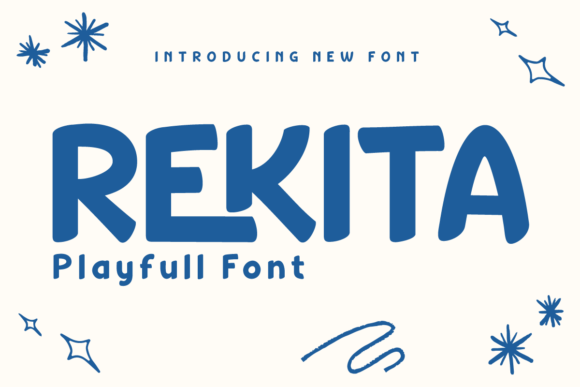
At its heart, Rekita is a modern typography choice that balances playful energy with professional execution. Its visual characteristics are defined by soft, rounded letterforms and a gentle, flowing rhythm. Unlike a formal script font or a rigid handwritten font, Rekita strikes a unique chord. It feels handcrafted and friendly, yet its consistency and spacing are engineered for real-world application. This makes it a versatile creative font that avoids looking childish or amateurish.
The overall appeal of the Rekita typeface lies in its ability to convey a specific mood without shouting. It whispers of creativity, fun, and authenticity. For a brand identity aiming to feel accessible and human, Rekita can be a powerful asset. It’s the kind of premium font that feels personal, helping designs stand out in a sea of generic, overused typefaces. Its charm is in its subtlety—it’s engaging, not distracting.
Where Rekita Truly Shines: Practical Applications
The true test of any design asset is its performance across different media. Rekita’s strength as a display font makes it ideal for projects where headlines, logos, or short bursts of text need to capture attention and set a tone. Consider its use in the following scenarios:
- Branding and Logo Design: For businesses in the wellness, food, boutique retail, or creative services sectors, a Rekita-based logo can instantly communicate a friendly, artisanal, or youthful vibe. It helps build a brand identity that feels welcoming and unique.
- Packaging and Editorial Design: On product packaging, Rekita can make a brand feel more approachable and high-quality. In editorial design, such as magazine headlines or chapter titles in a book, it adds a touch of whimsy that draws the reader in.
- Digital and Social Media Graphics: This is where Rekita excels. Its clear legibility at various sizes makes it perfect for Instagram graphics, Pinterest pins, and website banners. It helps create social media graphics that stop the scroll and feel cohesive with a playful brand voice.
- Personal and Commercial Projects: Beyond commercial use, the font is a fantastic tool for crafters and hobbyists. Think custom invitations, greeting cards, and personal blog headers. For small business owners, it’s a commercial font that can elevate marketing materials without a huge investment.
Making the Most of Rekita: A Practical Guide
Choosing a font is just the first step. Using it effectively is what separates good design from great design. Here’s how to integrate Rekita into your workflow thoughtfully.
Evaluating Project Fit and Readability
First, assess if Rekita’s personality aligns with your project’s goals. It’s a superb choice for lighthearted, creative, or youthful themes. However, for a law firm’s annual report or a technical manual, a more neutral sans serif or serif font would be appropriate. Always consider readability. While Rekita is designed for clarity, as a display font, it’s best used for headlines, subheadings, and short calls-to-action, not for long paragraphs of body copy.
Mastering Font Pairing
A strong design often uses more than one typeface. Pairing Rekita with a clean, simple sans serif font creates excellent visual hierarchy. Use Rekita for the main headline to grab attention, and a font like Open Sans or Lato for the supporting body text. This contrast ensures your message is both engaging and easy to digest. Avoid pairing it with other highly decorative or script fonts, as this can create visual clutter and undermine professionalism.
Leveraging Its Features and Licensing
Modern professional fonts often come with more than just basic letters. Check if Rekita includes stylistic alternates, ligatures, or swashes. These features can add extra flair to logos or specific words. Furthermore, as a PUA encoded font, all characters are fully accessible without needing advanced design software, which is a significant advantage for entrepreneurs and creators using standard applications. Always review the commercial font licensing to ensure it covers your intended use, whether for a single client project or widespread brand application.
In the end, a typeface like Rekita is more than just a collection of glyphs. It’s a strategic tool for visual communication. By understanding its character, applying it to the right contexts, and using it in smart combinations, you can leverage this creative font to build stronger connections with your audience, enhance your brand’s perception, and ultimately, make your designs more effective and memorable. Let its playful spirit guide your next project toward greater engagement and charm.