Invisible Font: The Essential Sans Serif for Modern Design
In the crowded world of design assets, finding a typeface that is both versatile and distinctive can feel like searching for a needle in a haystack. You need something that stands out without shouting, something that feels contemporary yet timeless. Enter Invisible, a premium font that bridges the gap between basic functionality and sophisticated design. As a sans serif basic display font, it offers a clean, modern typography solution that is surprisingly adaptable. Whether you are drafting a pitch deck for investors, designing a logo for a new tech startup, or curating the aesthetic for a lifestyle magazine, Invisible provides the structural integrity and visual appeal necessary to elevate your work.
Visual Character and Personality
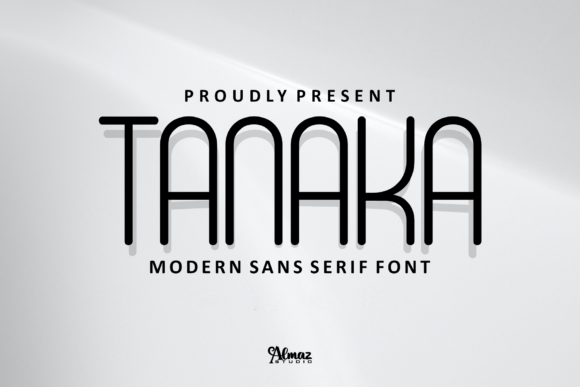
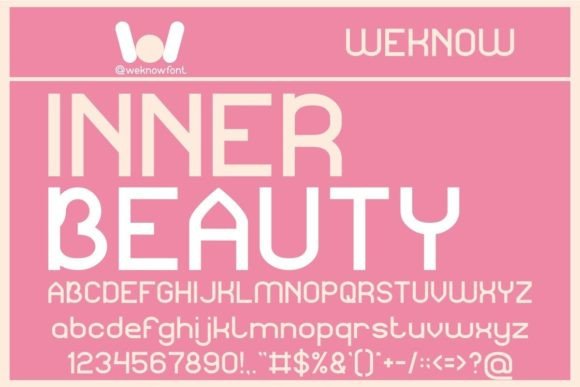
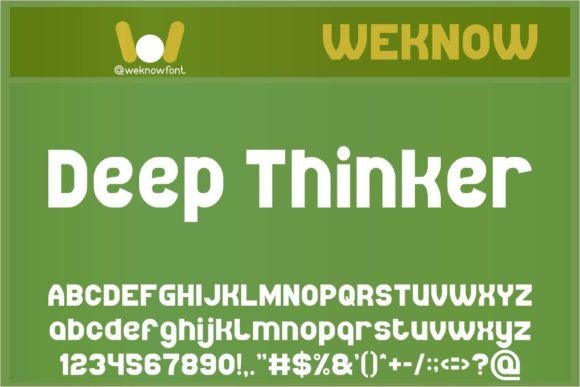
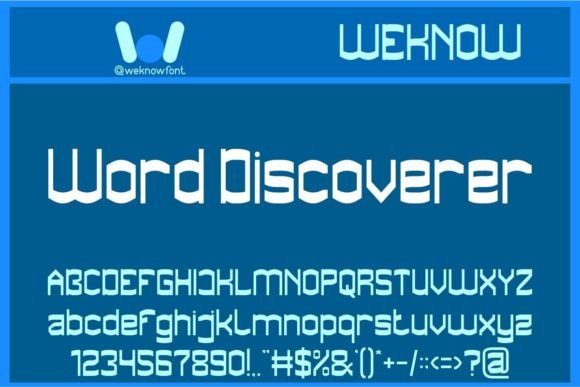
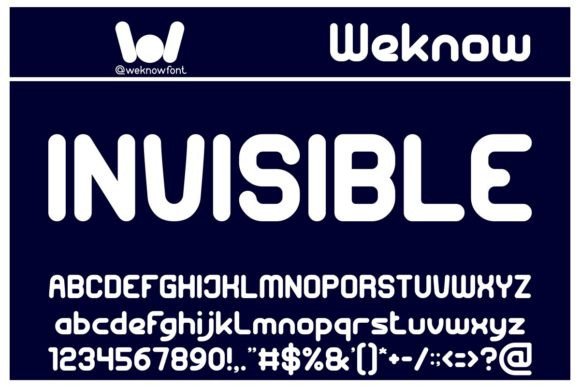
At first glance, Invisible presents itself with the confidence of a geometric sans serif. It avoids the cold, sterile feeling of some corporate fonts while steering clear of the overly friendly, bubbly shapes found in children’s branding. Instead, it occupies a balanced middle ground. The letterforms feature consistent stroke widths and open apertures, which contribute to its high legibility even at smaller sizes. This is not a font that relies on serifs or elaborate swashes to command attention; it relies on precision and spacing.
The personality of Invisible is best described as quietly authoritative. It carries a sense of minimalism and efficiency, making it an excellent choice for projects that require a modern, forward-thinking vibe. When you use this typeface, you are signaling to your audience that you value clarity and organization. It is a sans serif font that works hard in the background, ensuring your message is the hero, yet it possesses enough character to be used as a display font for headlines. Its geometric construction gives it a rhythmic flow that guides the reader’s eye naturally across the page or screen.
Where Invisible Shines: From Logos to Packaging
The true strength of a creative font like Invisible lies in its adaptability across different mediums. In the realm of logo design, this typeface is a powerhouse. Because it lacks the intricate details of a script font or a handwritten font, it scales beautifully. It looks just as sharp on a massive billboard as it does on a tiny favicon in a browser tab. For entrepreneurs and small business owners, this consistency is vital for building a recognizable brand identity. You can use it for a clothing line, a digital agency, or a coffee shop, and it will adapt its tone to fit the context.
Beyond static branding, Invisible is highly effective in editorial design and publishing. If you are working on a magazine layout or a book cover, this font can serve as a striking headline typeface that contrasts beautifully with a serif font used for body text. The interplay between the structured sans serif and a flowing serif or script font creates visual hierarchy, helping readers navigate complex information. Furthermore, in the digital space, this font excels. It is optimized for web design and social media graphics. Its clean lines ensure that text remains readable on mobile devices, which is crucial for content creators on YouTube, Instagram, and TikTok. It provides a polished, professional look to thumbnails, lower thirds, and user interfaces without causing eye strain.
Strategic Application and Brand Perception
Choosing a font is rarely just about aesthetics; it is a strategic decision that influences how your audience perceives your brand. Typography psychology suggests that sans serif fonts are often associated with modernity, cleanliness, and honesty. By selecting Invisible for your corporate identity or apparel industry project, you are aligning your brand with these values. It suggests that your business is transparent and efficient.
Consider the packaging design industry. A cluttered label can confuse customers, but a label set in Invisible offers a breath of fresh air. It allows the product to speak for itself. For the music and movie industries, where branding needs to be bold yet legible, this font offers a robust solution for posters and promotional materials. It strikes the right balance between being a creative font and a workhorse utility, making it a favorite among graphic designers who need to deliver high-quality results under tight deadlines.
Practical Guide to Implementation
Integrating a new typeface into your workflow requires a bit of testing. Here is how to get the most out of Invisible:
- Evaluate the Fit: Before committing, look at the font’s x-height and letter spacing. Invisible has a generous x-height, which generally improves readability. Test it against your existing brand assets to ensure it complements your current color palette and imagery.
- Master Font Pairing: As a display font, Invisible pairs exceptionally well with traditional serif fonts for body copy. Try combining it with a serif like Georgia or a modern serif for a high-contrast editorial look. Alternatively, pair it with a light-weight script font for wedding invitations or lifestyle branding to add a touch of softness to its geometric structure.
- Check the Styles: A professional typeface often comes with various weights and styles. Ensure you explore the bold, light, and italic versions of Invisible. Using different weights allows you to create emphasis and visual hierarchy without introducing a second font family, keeping your design cohesive.
- Licensing and Usage: Always verify the licensing. Since Invisible is a premium font, ensure your license covers your specific use case, whether it is for a single desktop user, a server for web apps, or digital distribution. Respecting licensing protects you legally and supports the creators who design these essential tools.
Ultimately, Invisible is more than just a collection of vectors; it is a tool for communication. It helps you cut through the noise and deliver your message with precision. Whether you are a blogger looking to upgrade your site’s typography or a brand strategist rethinking a corporate identity, this sans serif font offers the flexibility and style needed to succeed in today’s visual landscape. It proves that sometimes, the best way to be seen is to be Invisible.